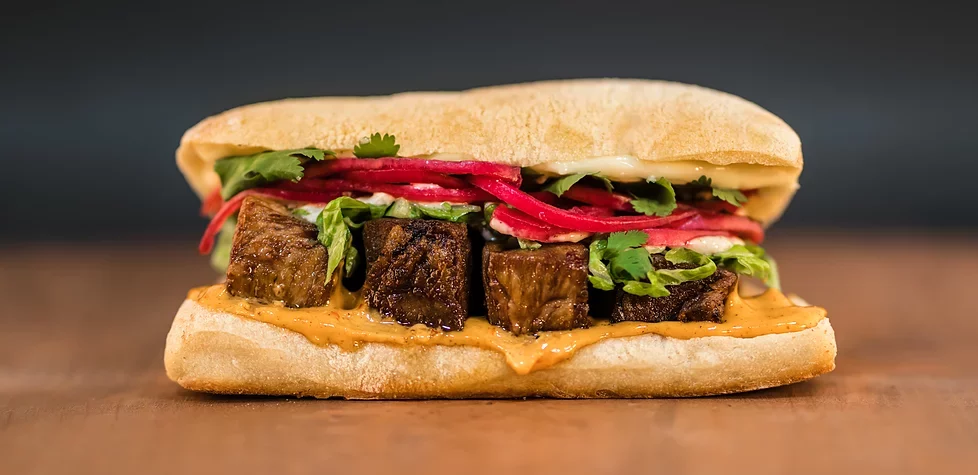
Sandwiches are more than just a quick meal—they are a culinary staple enjoyed around the world in countless forms. From classic combinations like ham and cheese to inventive creations featuring exotic ingredients, sandwiches offer versatility, convenience, and flavor. This guide explores the history of sandwiches, popular varieties, and practical tips for crafting the perfect bite every time.
A Brief History of Sandwiches
The sandwich is often attributed to John Montagu, the 4th Earl of Sandwich, an 18th-century English nobleman. Legend has it that Montagu requested his meat be served between slices of bread so he could continue gambling without using utensils. While the sandwich itself likely existed in some form earlier, this story popularized the concept, giving the dish its name.
Over time, sandwiches evolved into a global phenomenon. In America, they became a lunchroom staple, while in Europe, regional variations began to emerge. Today, every culture boasts its own unique take on this simple yet satisfying meal, from the French croque-monsieur to the Vietnamese bánh mì.
Popular Types of Sandwiches
There is virtually no limit to the types of sandwiches you can create. Here are some of the most popular categories:
-
Classic Sandwiches
Classic sandwiches remain favorites because of their simplicity and balanced flavors. Examples include the BLT (bacon, lettuce, tomato), turkey and cheese, and the club sandwich. These are often served on sliced bread or toasted buns. -
Gourmet Sandwiches
Gourmet sandwiches elevate the concept with premium ingredients such as artisanal bread, high-quality meats, cheeses, and fresh vegetables. Ingredients may also include spreads like aioli, pesto, or specialty mustard, creating complex flavor profiles. -
Vegetarian and Vegan Options
Plant-based diets have inspired countless vegetarian and vegan sandwich varieties. Options may include grilled vegetables, hummus, avocado, tempeh, or plant-based meat alternatives. These sandwiches are not only flavorful but also nutritious and environmentally conscious. -
Open-Faced Sandwiches
Open-faced sandwiches feature a single slice of bread topped with ingredients rather than being enclosed between two slices. Examples include the Swedish smörgås and the Italian bruschetta. These sandwiches often prioritize presentation and freshness. -
Wraps and Rolls
Wraps and sandwich rolls use flatbreads or tortillas as an alternative to traditional sliced bread. Popular choices include the chicken Caesar wrap, falafel wrap, and the classic tortilla roll-up. These options are portable and ideal for on-the-go meals.
Ingredients and Assembly Tips
Creating a perfect sandwich is about balance and layering flavors and textures. Here are some essential tips:
-
Bread Choice: Bread is the foundation of a sandwich. Choose fresh bread that complements the filling—soft white bread for delicate flavors, whole grain for heartiness, or crusty baguettes for robust ingredients.
-
Spread It Right: Spreads add moisture and flavor. Consider mustard, mayonnaise, butter, hummus, or pesto. Be mindful of spreading evenly to avoid soggy or dry bites.
-
Layer Thoughtfully: Start with a layer that prevents the bread from becoming soggy, such as lettuce or cheese. Then add proteins, vegetables, and final flavor-enhancing toppings.
-
Texture Matters: Include ingredients that offer different textures—crunchy, creamy, or chewy—to create an enjoyable eating experience.
-
Cutting and Serving: Cutting sandwiches diagonally can enhance the presentation and make them easier to eat. Serve immediately to maintain freshness, or wrap properly for later consumption.
Health Considerations
Sandwiches can be healthy or indulgent, depending on ingredient choices. Opting for whole-grain bread, lean proteins, and plenty of vegetables can make sandwiches nutritious. On the other hand, excessive sauces, processed meats, and high-fat cheeses can increase calorie and sodium content. Balancing ingredients is key to enjoying a delicious and wholesome meal.
Sandwiches Around the World
Different cultures have adapted the sandwich concept in unique ways:
-
United States: The peanut butter and jelly sandwich is a nostalgic favorite, while deli sandwiches like pastrami on rye are iconic in cities such as New York.
-
France: Croque-monsieur and croque-madame are classic French sandwiches featuring ham, cheese, and béchamel sauce.
-
Italy: Panini are grilled sandwiches made with ciabatta or focaccia bread, often filled with meats, cheeses, and vegetables.
-
Vietnam: Bánh mì sandwiches combine French baguettes with Vietnamese flavors such as pickled vegetables, fresh herbs, and marinated meats.
-
Middle East: Falafel and shawarma wraps use flatbreads and are rich in flavor and spices.
Creative Sandwich Ideas
For those looking to innovate, the possibilities are endless. Consider dessert sandwiches like Nutella and banana on brioche, breakfast sandwiches with eggs and avocado, or even fusion sandwiches combining elements from multiple cuisines. The key is to experiment with flavors and textures while keeping the sandwich balanced.
Sandwiches are a timeless culinary creation that continues to adapt and thrive in kitchens worldwide. Their versatility allows for endless creativity, whether you prefer classic simplicity or bold gourmet flavors. By understanding the history, types, and best practices for assembly, anyone can elevate a simple sandwich into a satisfying meal. So, grab your favorite bread, select your ingredients, and enjoy the endless possibilities of the perfect sandwich.
Source: Swamissandwiches.com
